Titanium 32” Hardtail Prototype
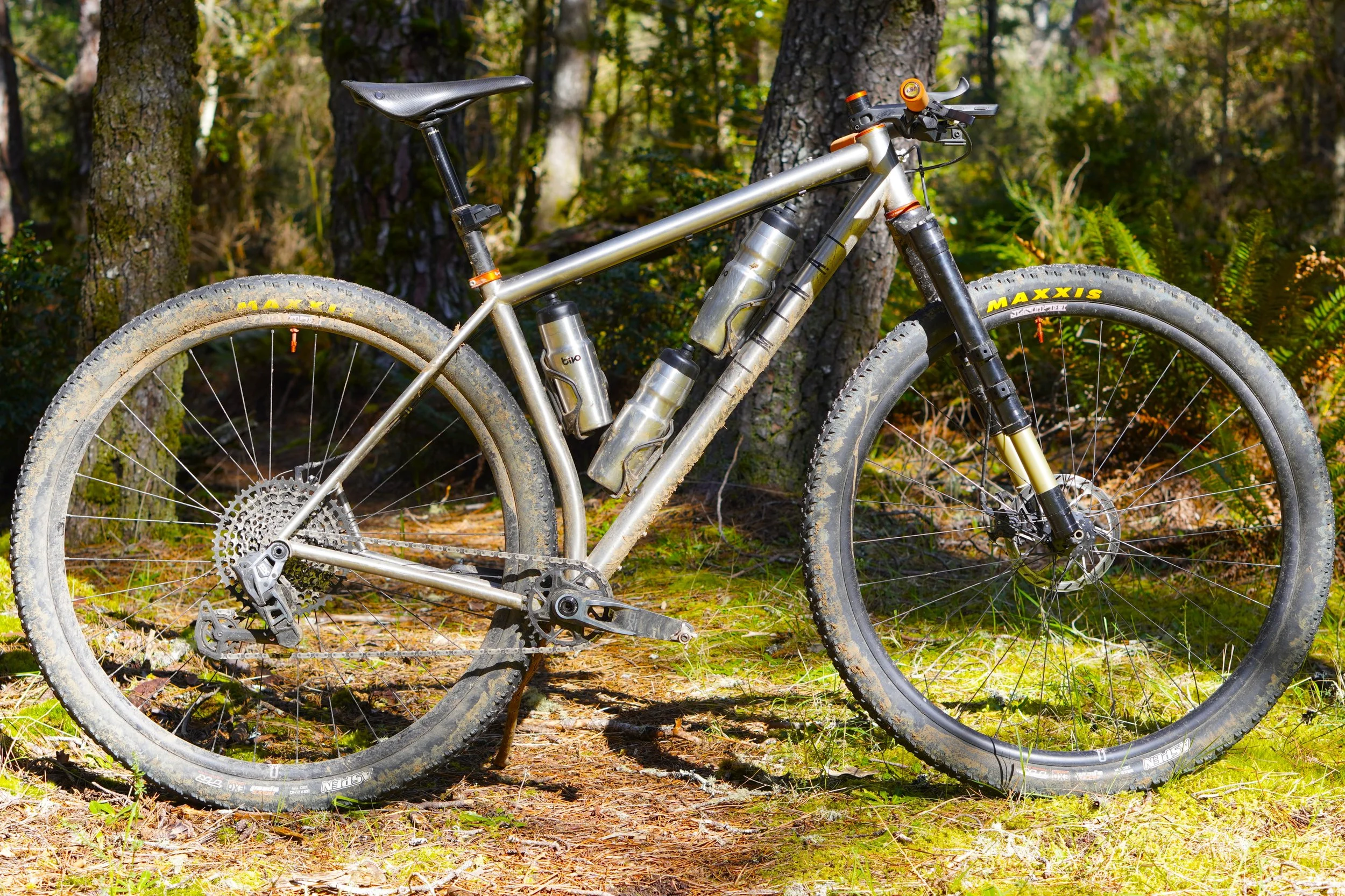
We all grew up learning the basics of the scientific method. Form a hypothesis, select your variables (not too many), and test. When rumors of a “new“ wheel size emerged I was of course curious, but wanted to isolate the wheel size from other variables as much as possible.
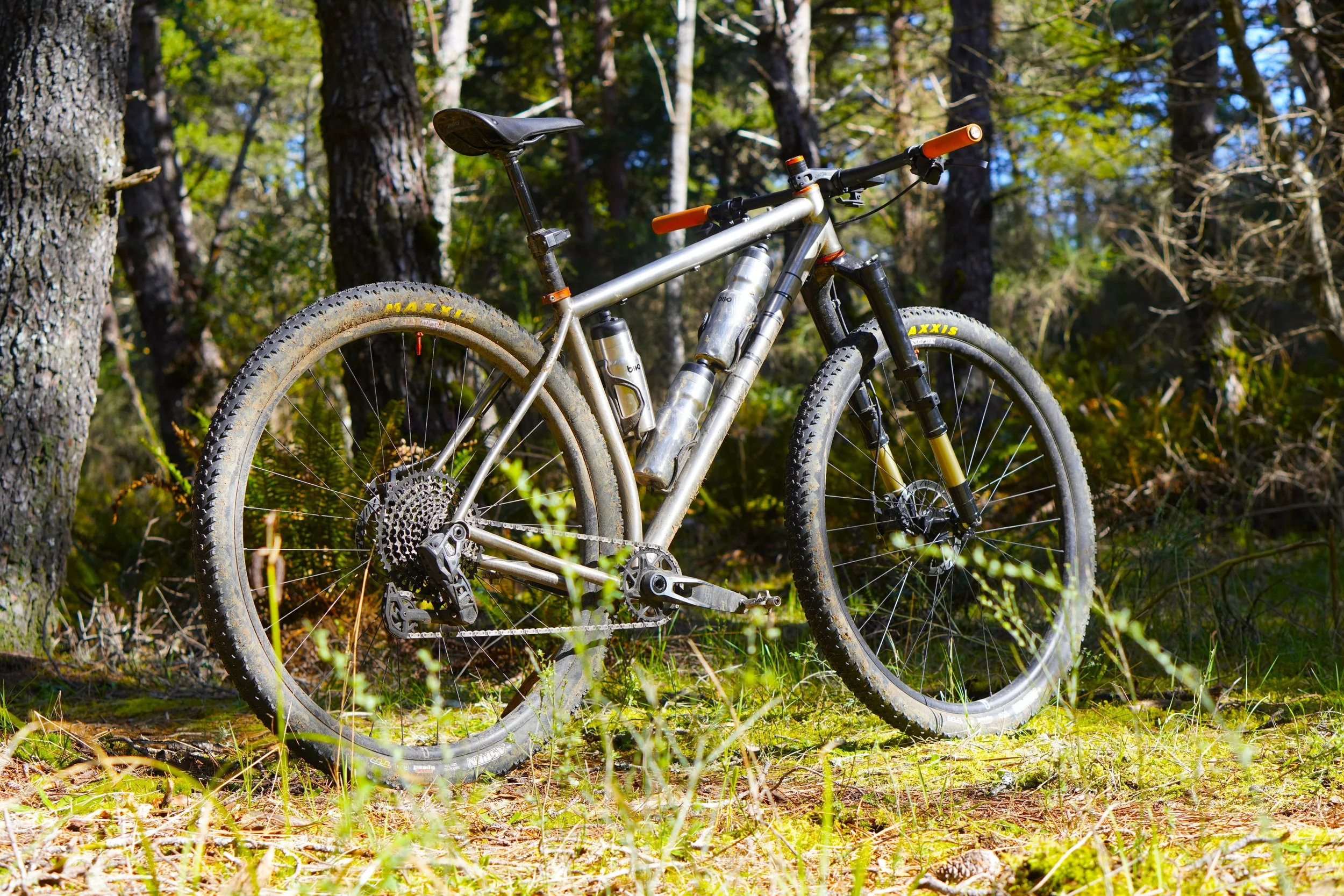
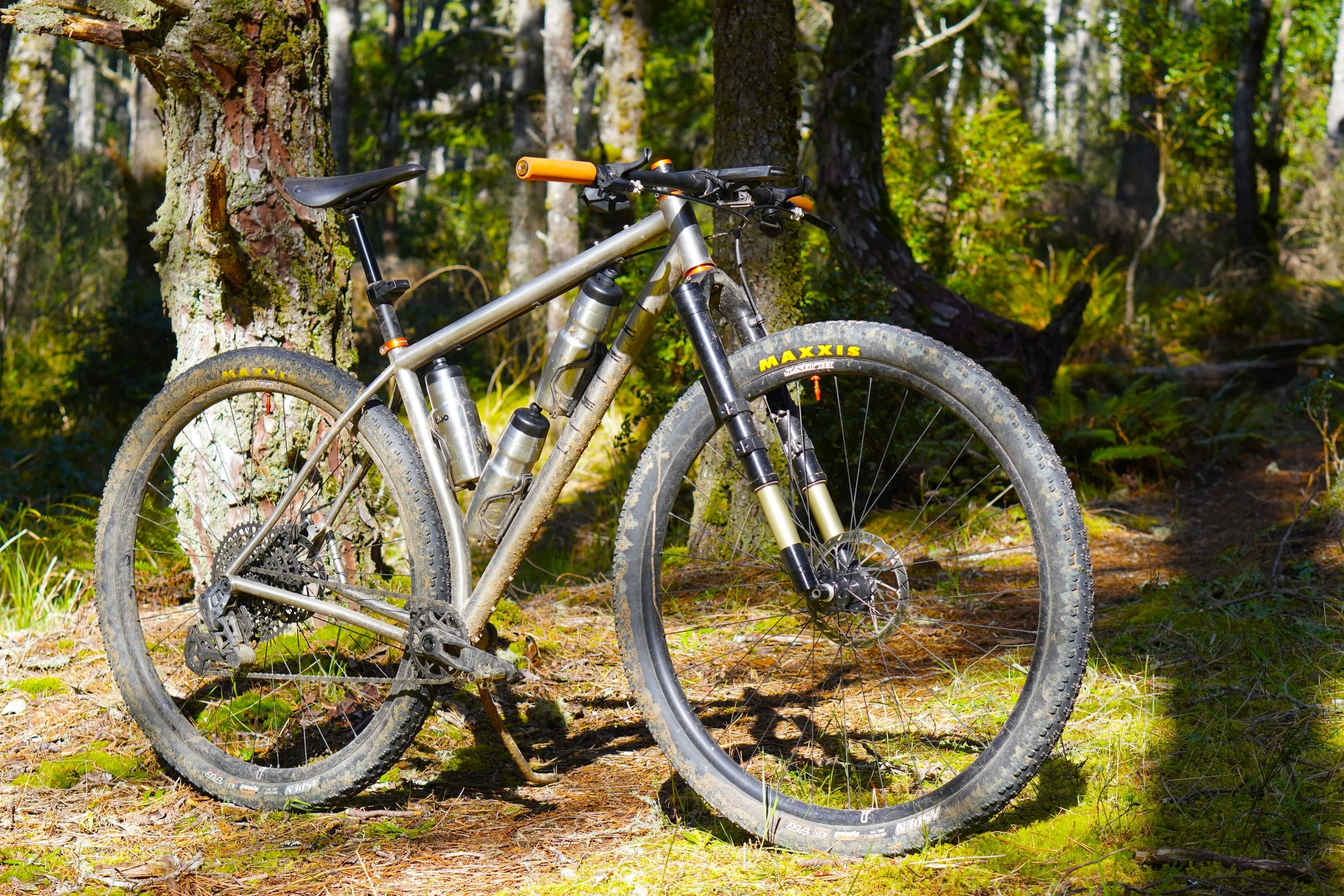
Thus began a long period of CAD tinkering while waiting for rims and tires to be available for us mere mortals. I wanted to recreate the overall geometry of my 29er hardtail, which I’ve had plenty of time on and know what to expect from. Some variables like BB drop obviously had to change to account for the taller wheels but I kept the stack, reach, trail, and horizontal chainstay length consistent.
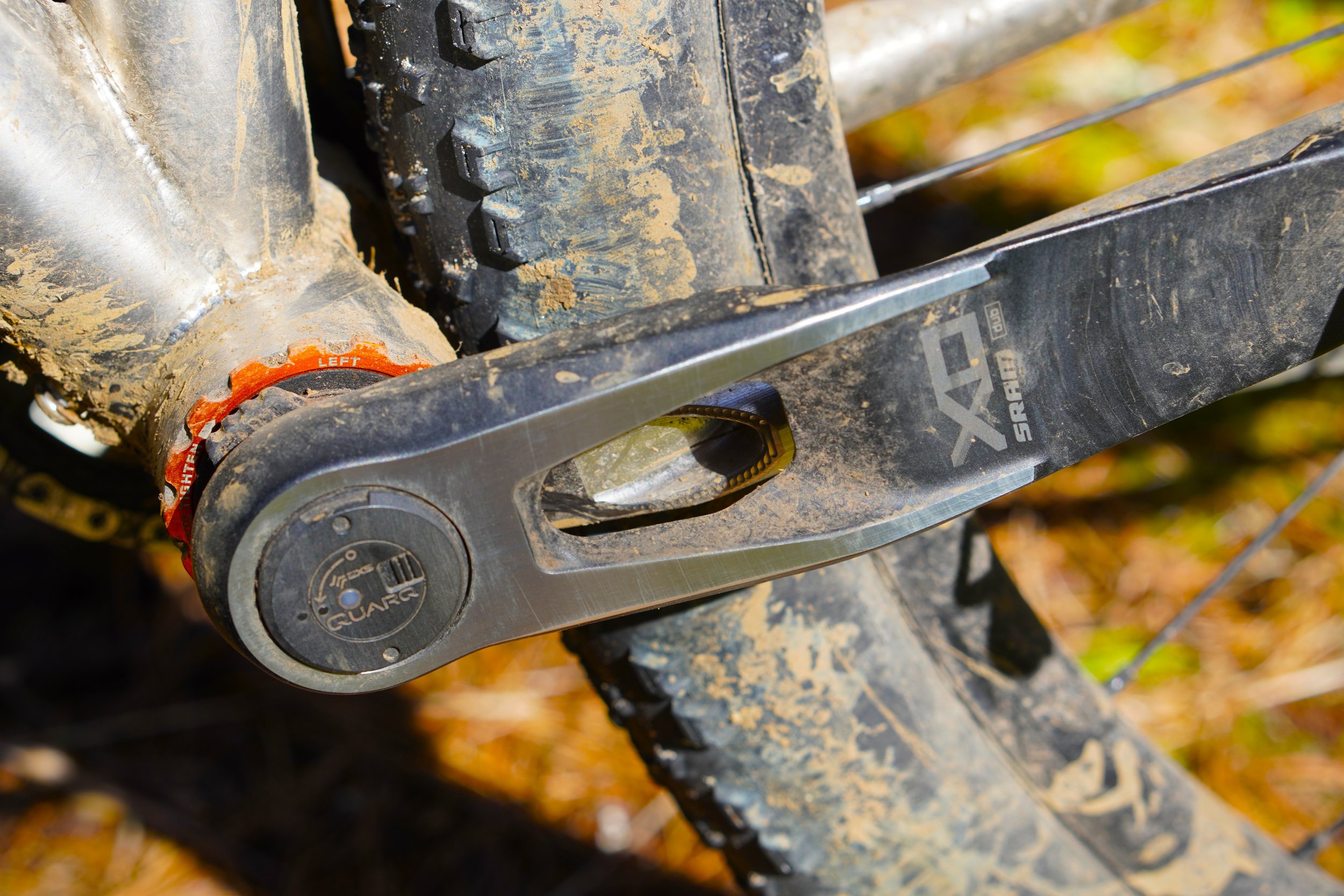
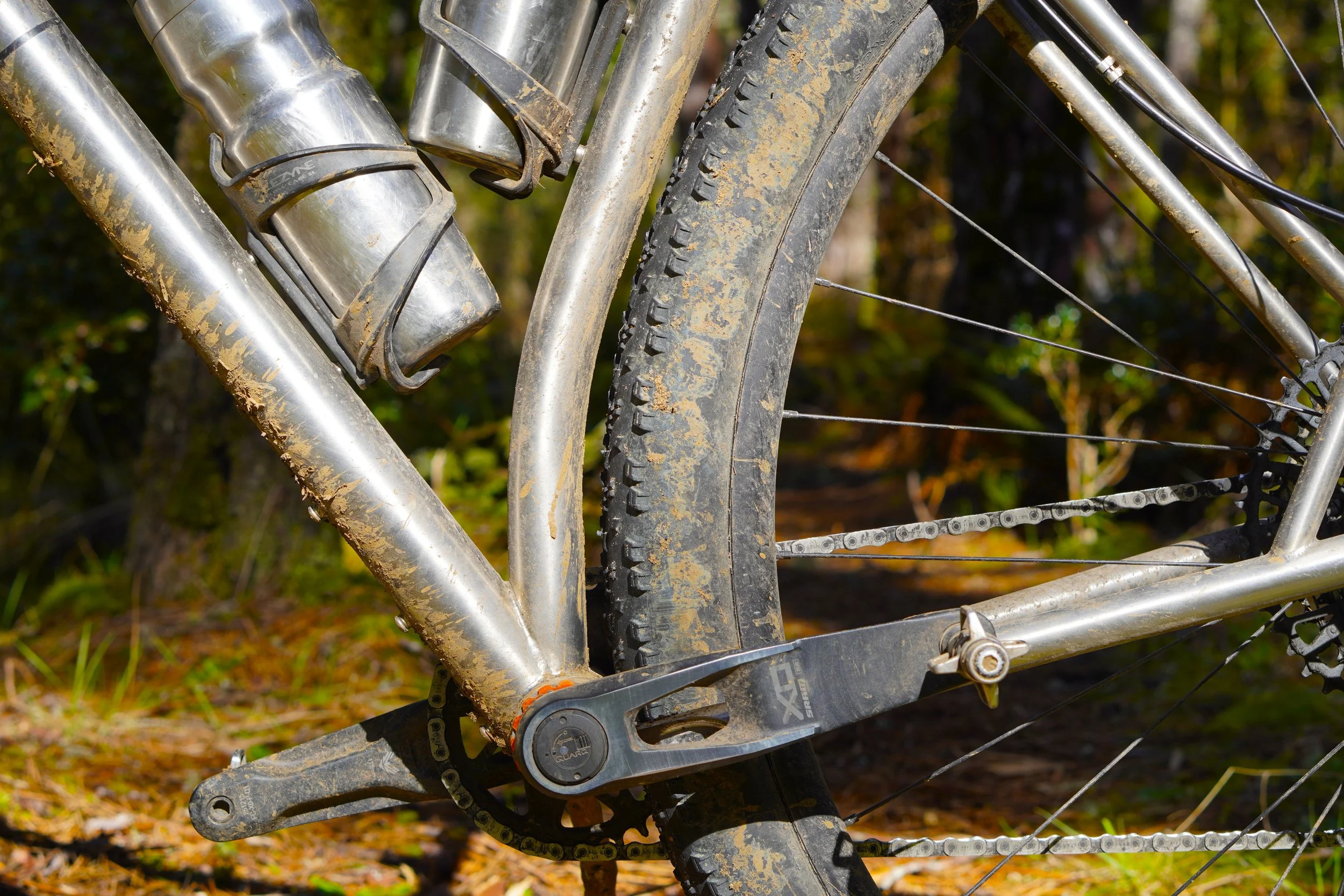
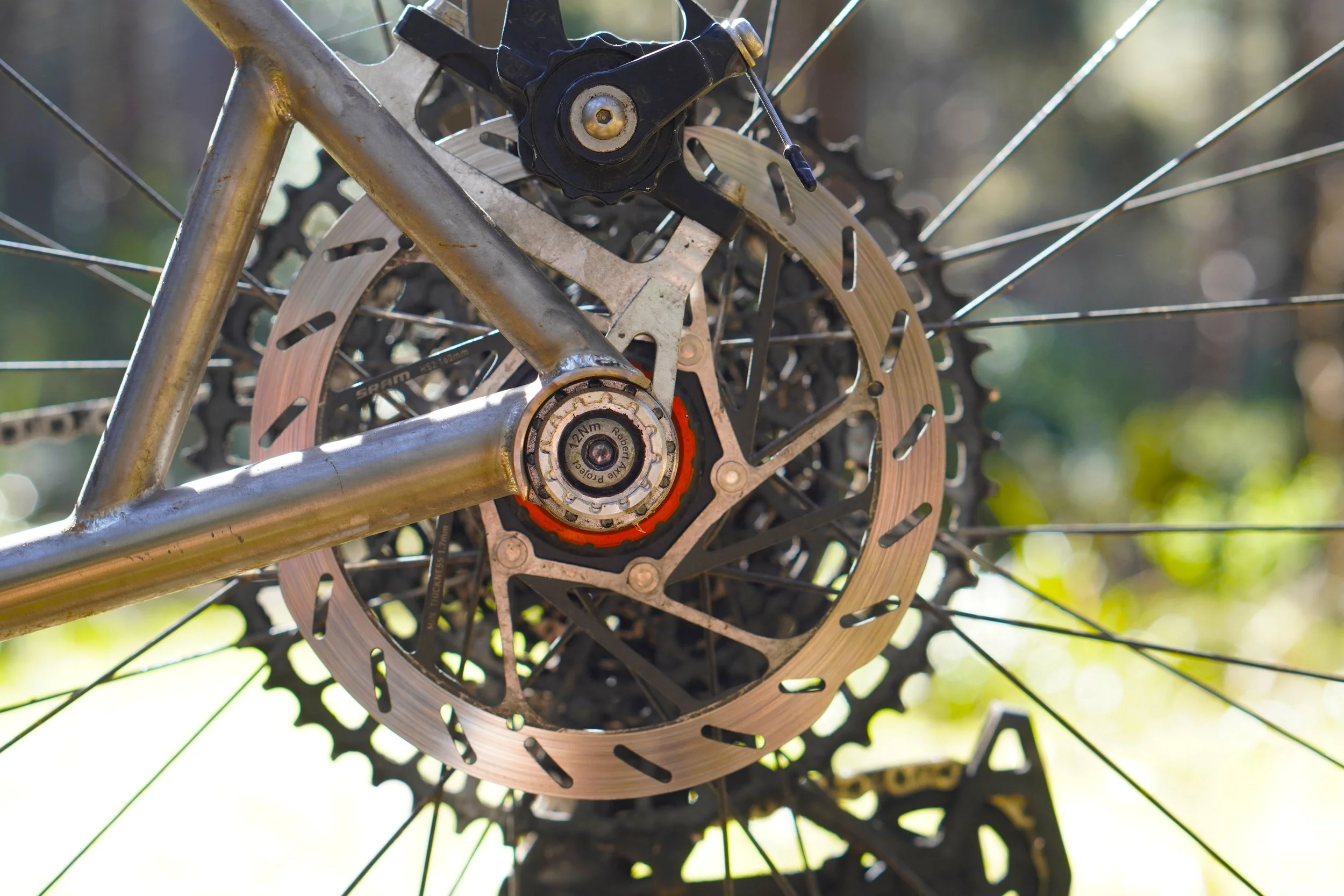
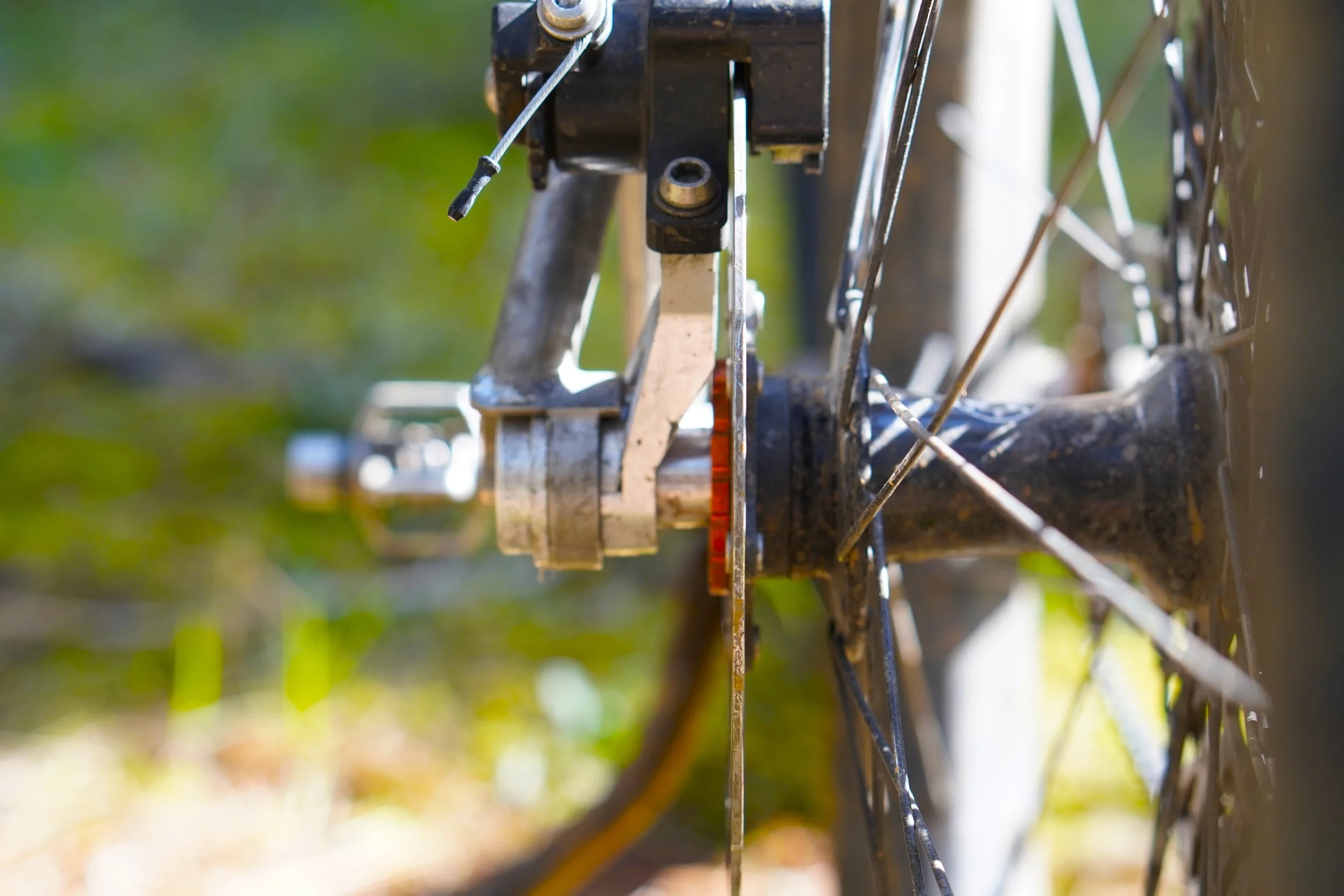
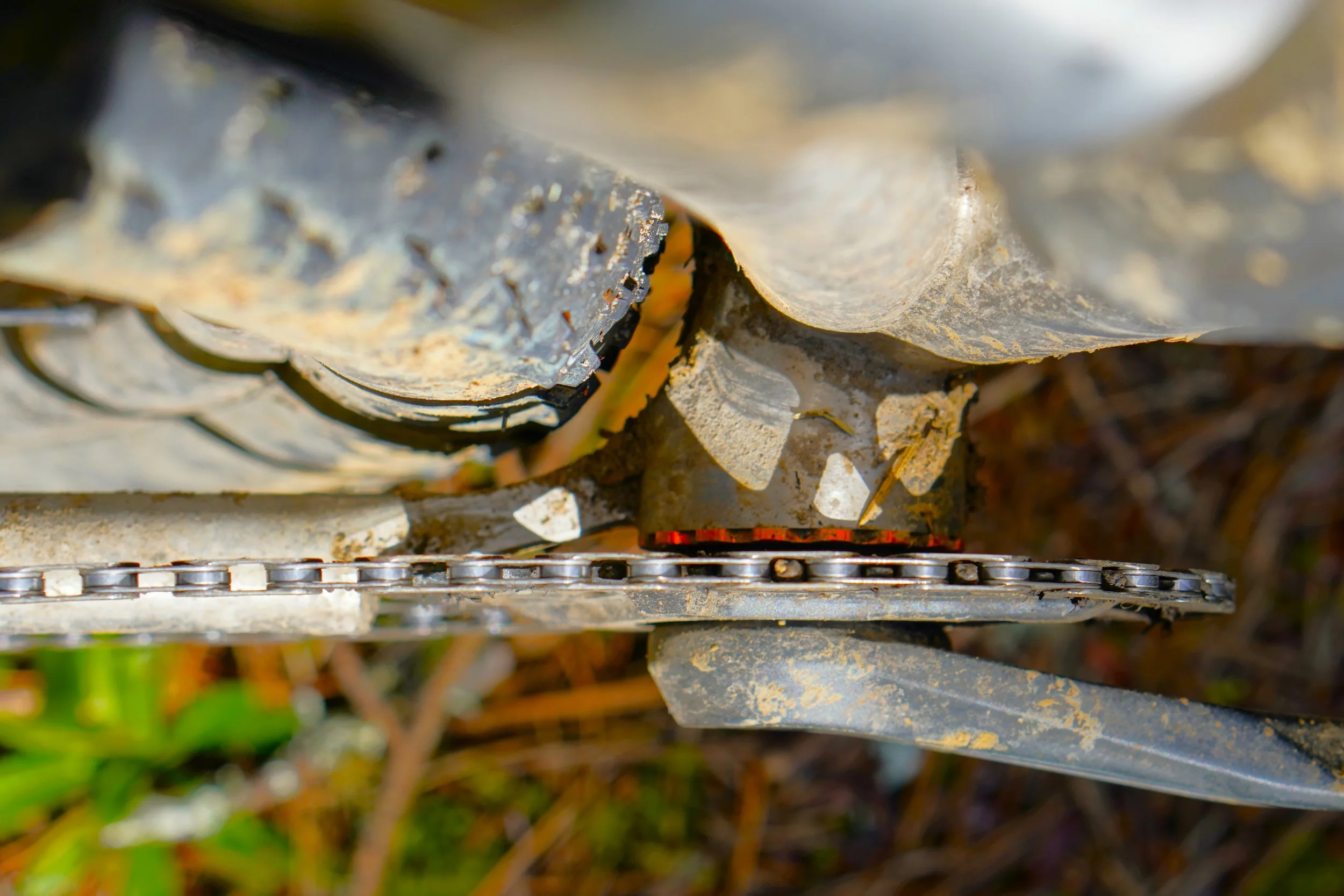
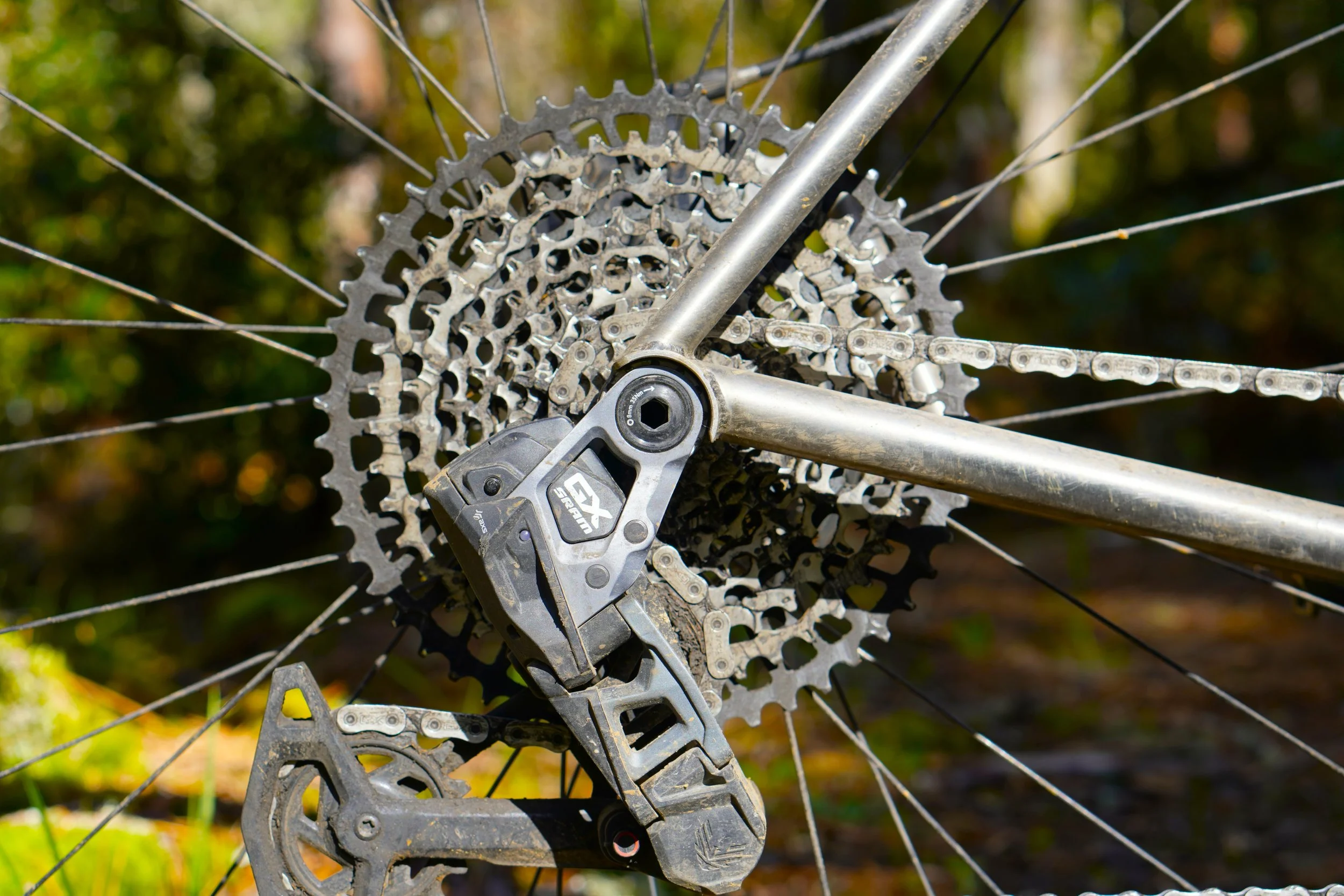
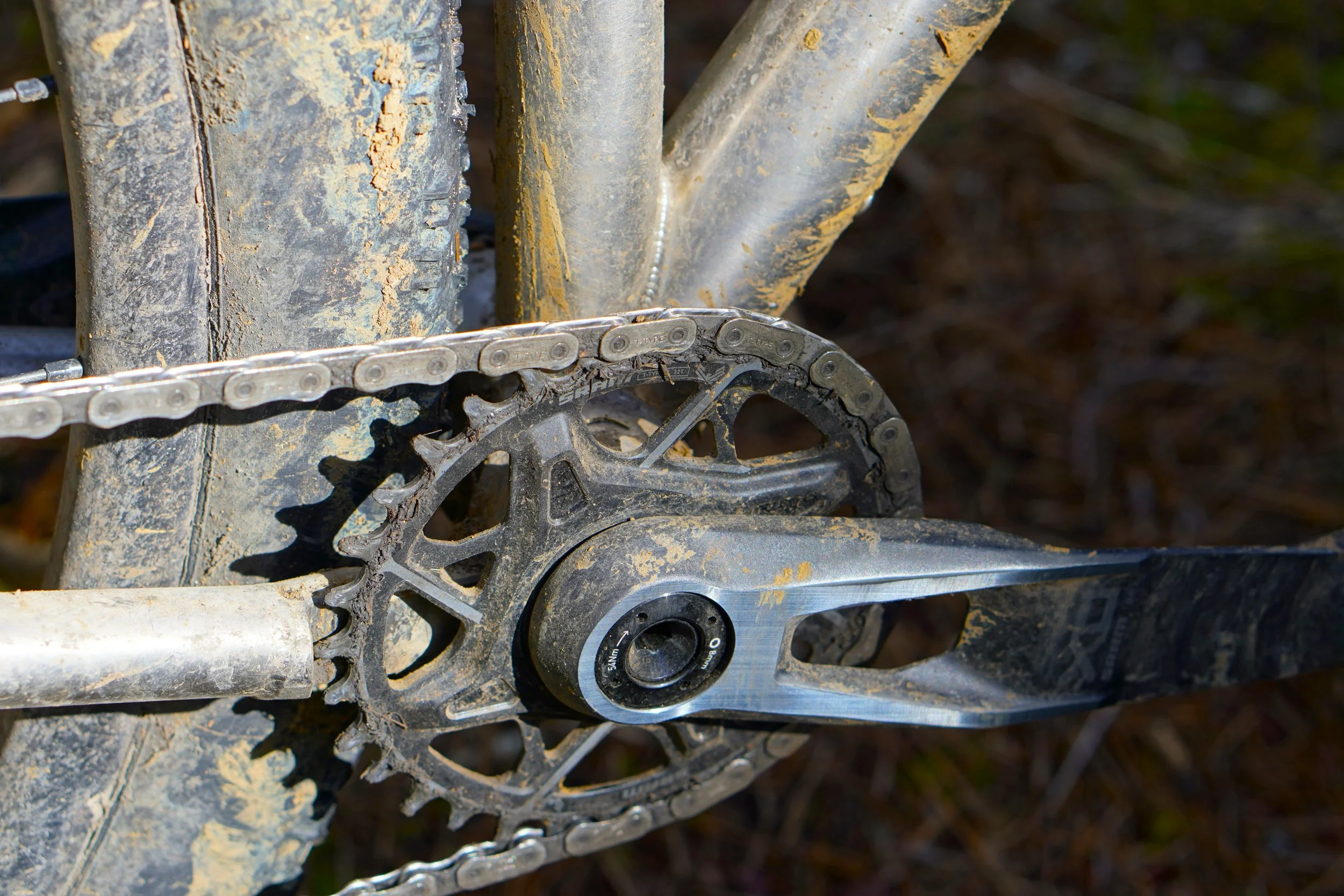
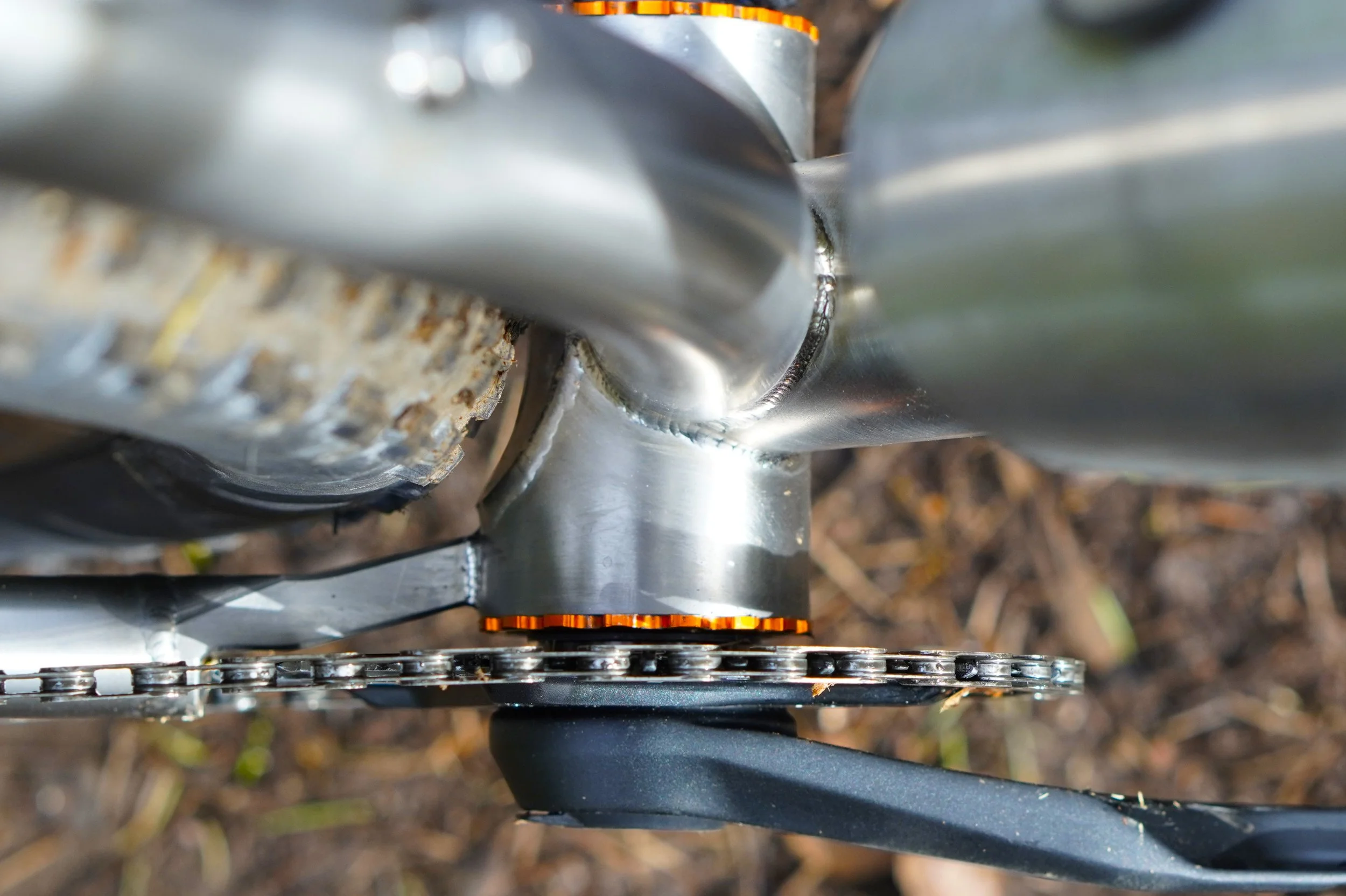
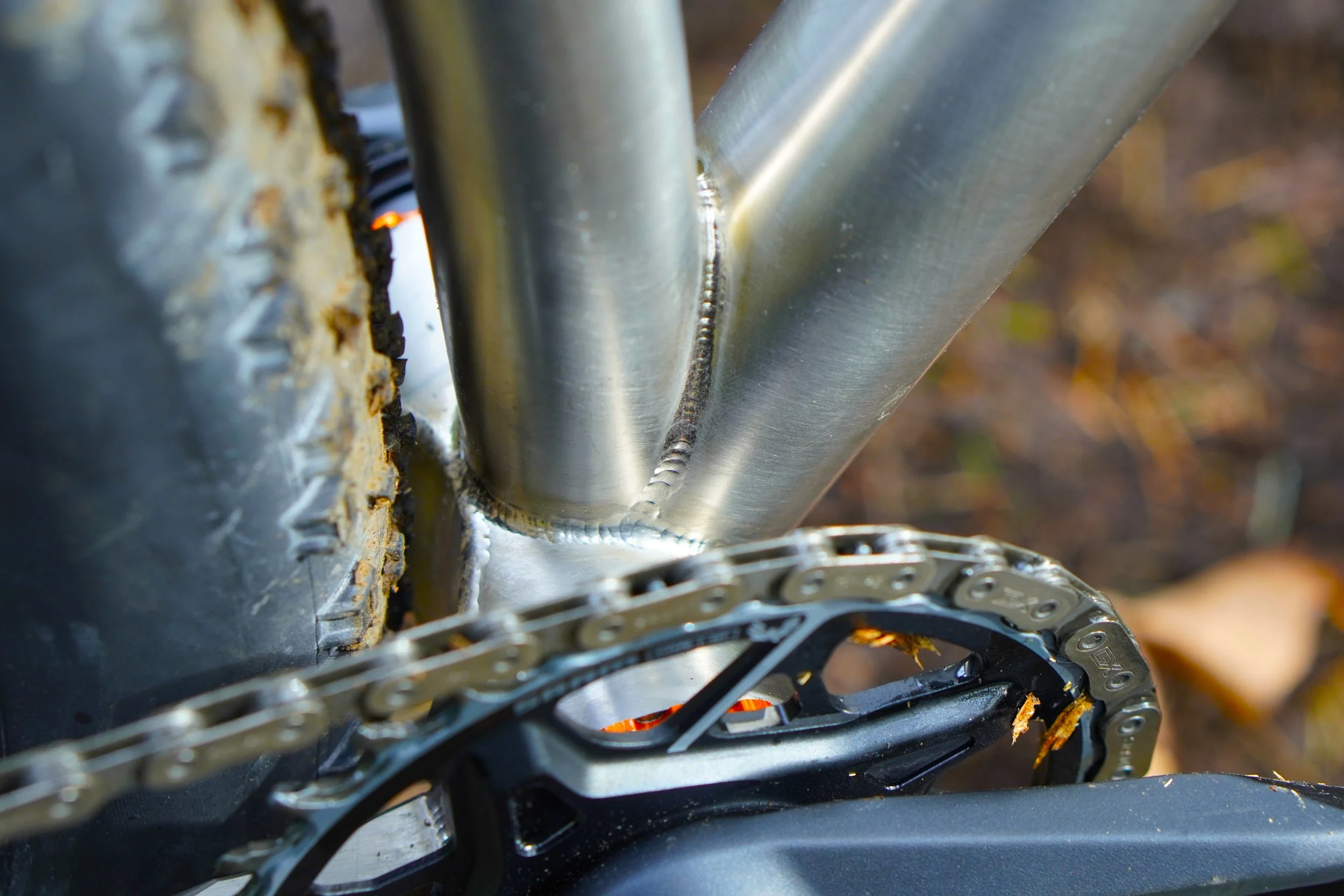
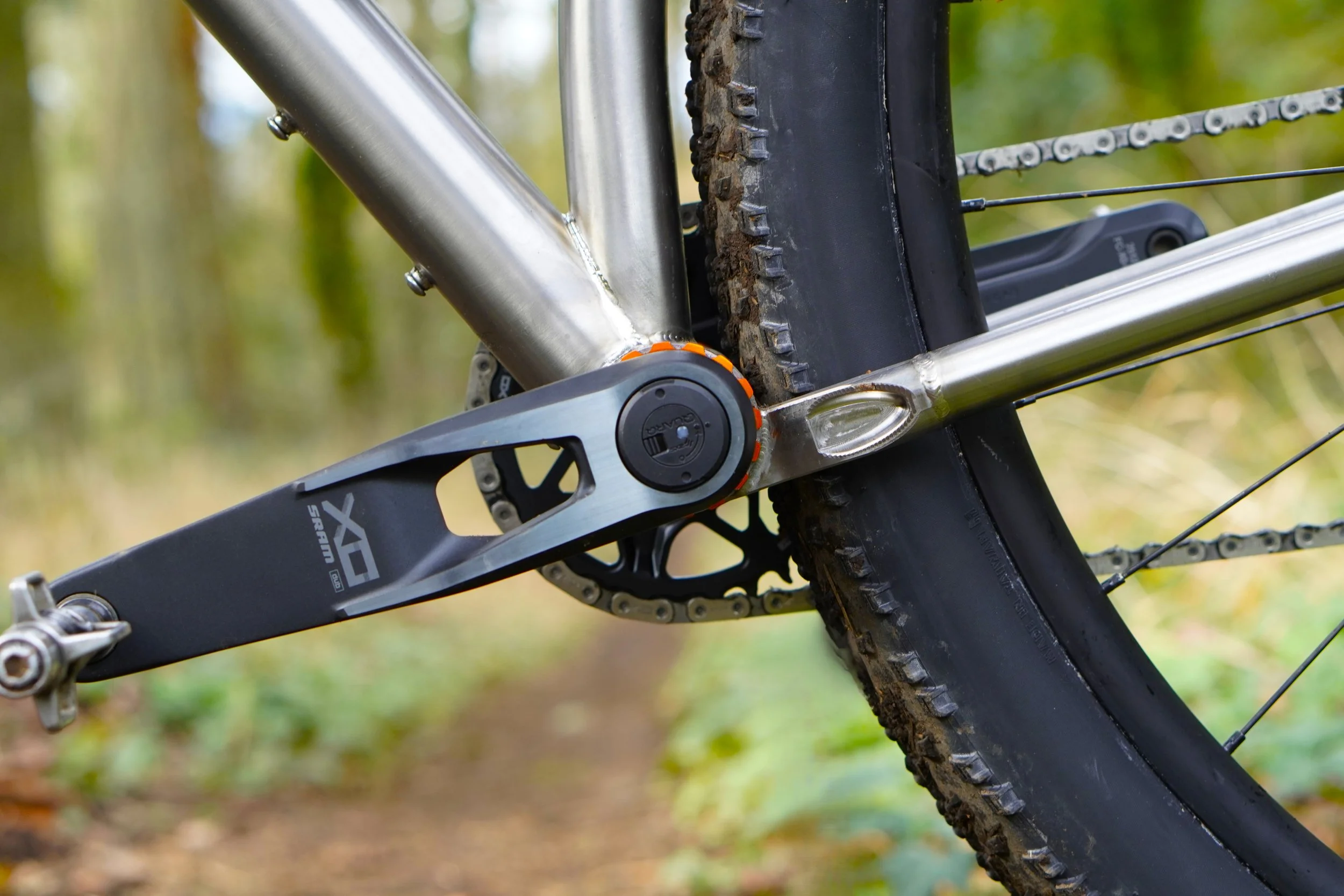
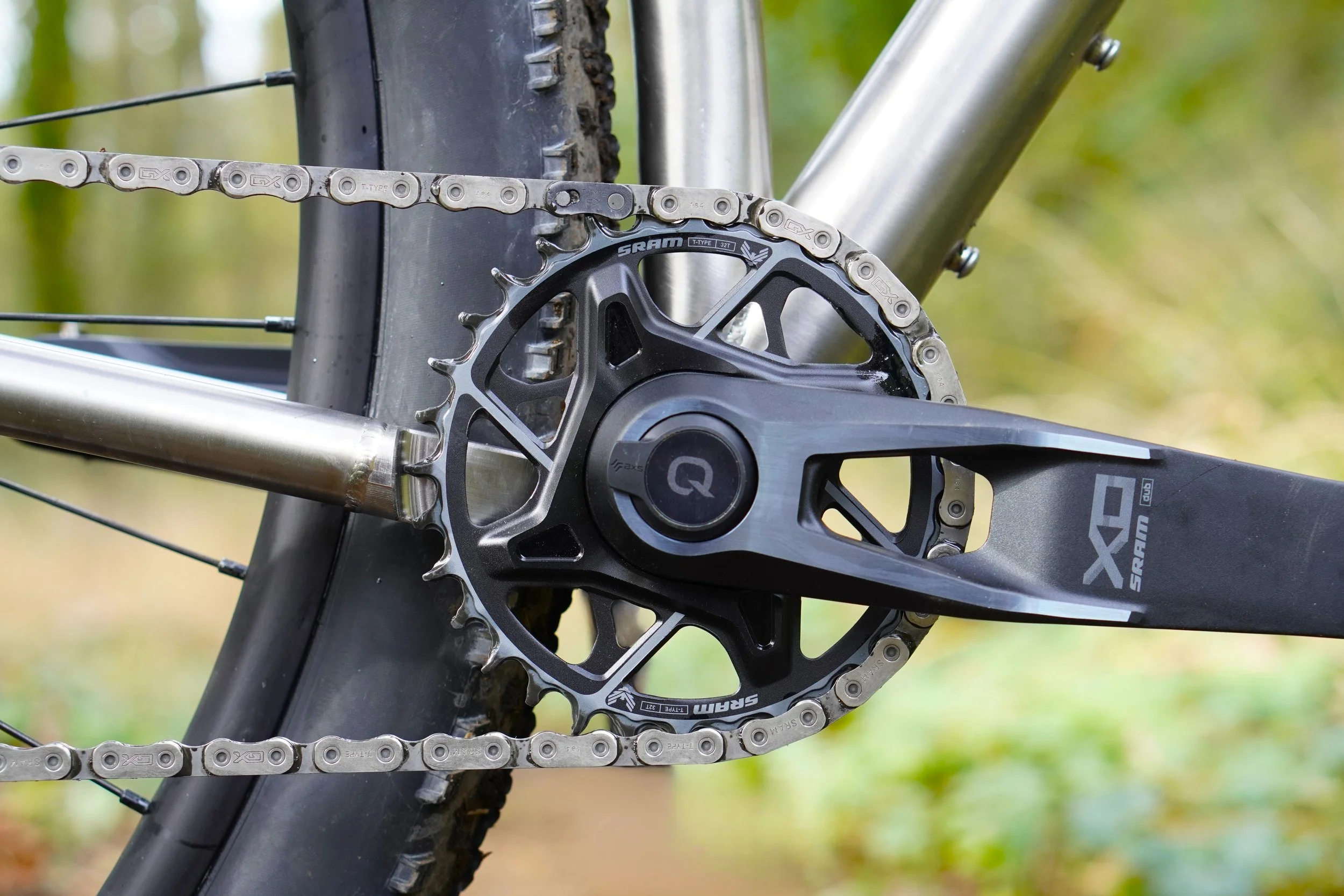
That last one required some outside the box thinking. A 2.4” 32 tire is about 407mm radially. With a 30mm crank spindle is 15mm radially, and you need at lease 6mm of mud clearance between the tire and anything you don’t want to slowly wear through. That gets you to 428mm of minimum chainstay length. I quickly realized that a T47 or even a smaller BSA BB shell would be in the way in this scenario, so I decided to use a cutaway on the BB shell to get the rear end as tucked in as my 29er.
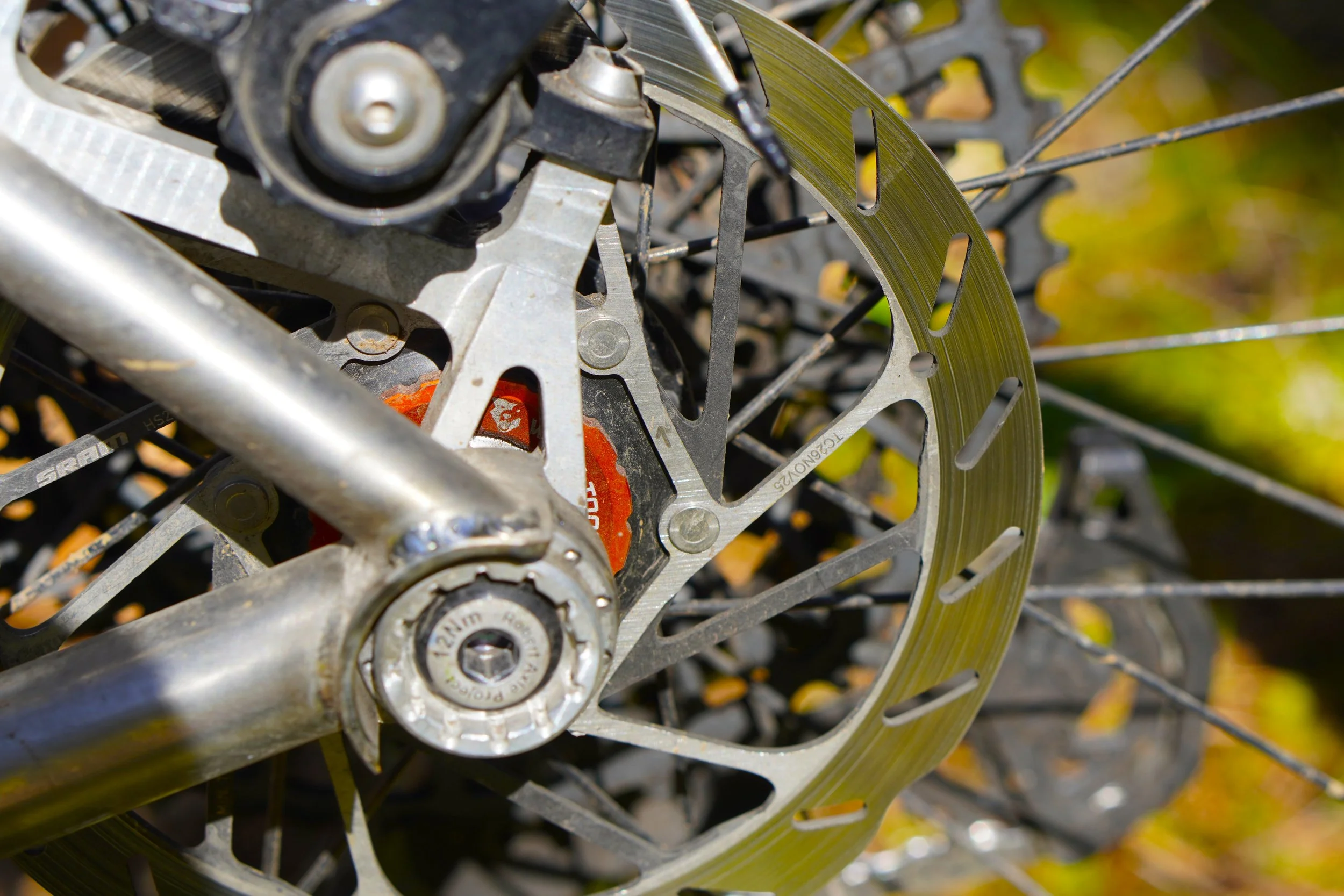
I didn’t want to just fling mud into the open BB shell, so I added a 1mm thick “wall“ that I formed to fit the negative space between tire and shell. With a little clearance for the crank spindle that resulted in a 430mm chainstay length, a perfect horizontal distance match for the 29er with its 425mm stays but lower relative BB drop. A pair of machined yokes allow for up to a 2.6” tire with the eccentric dropouts pulled back and a 32t chainring.
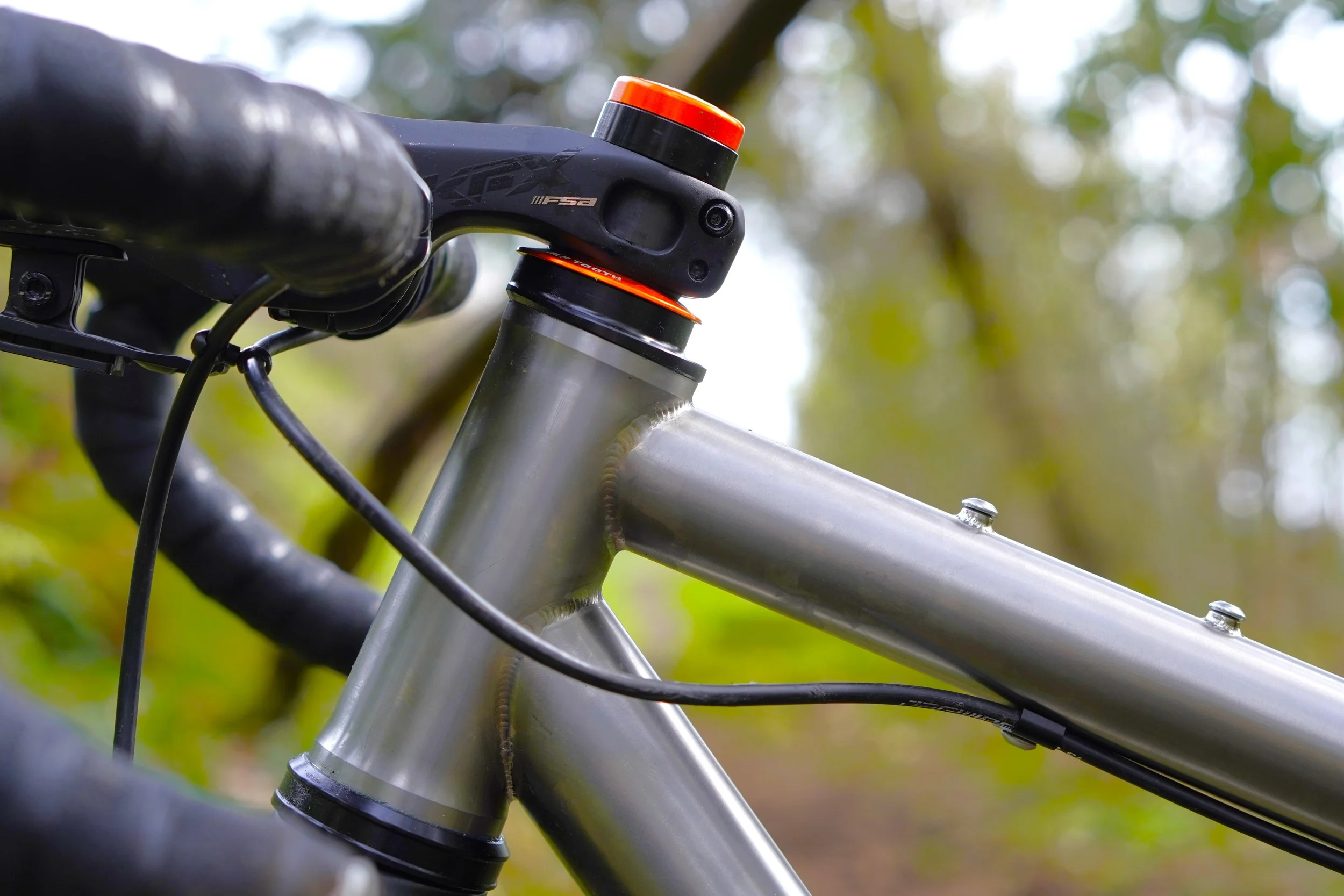
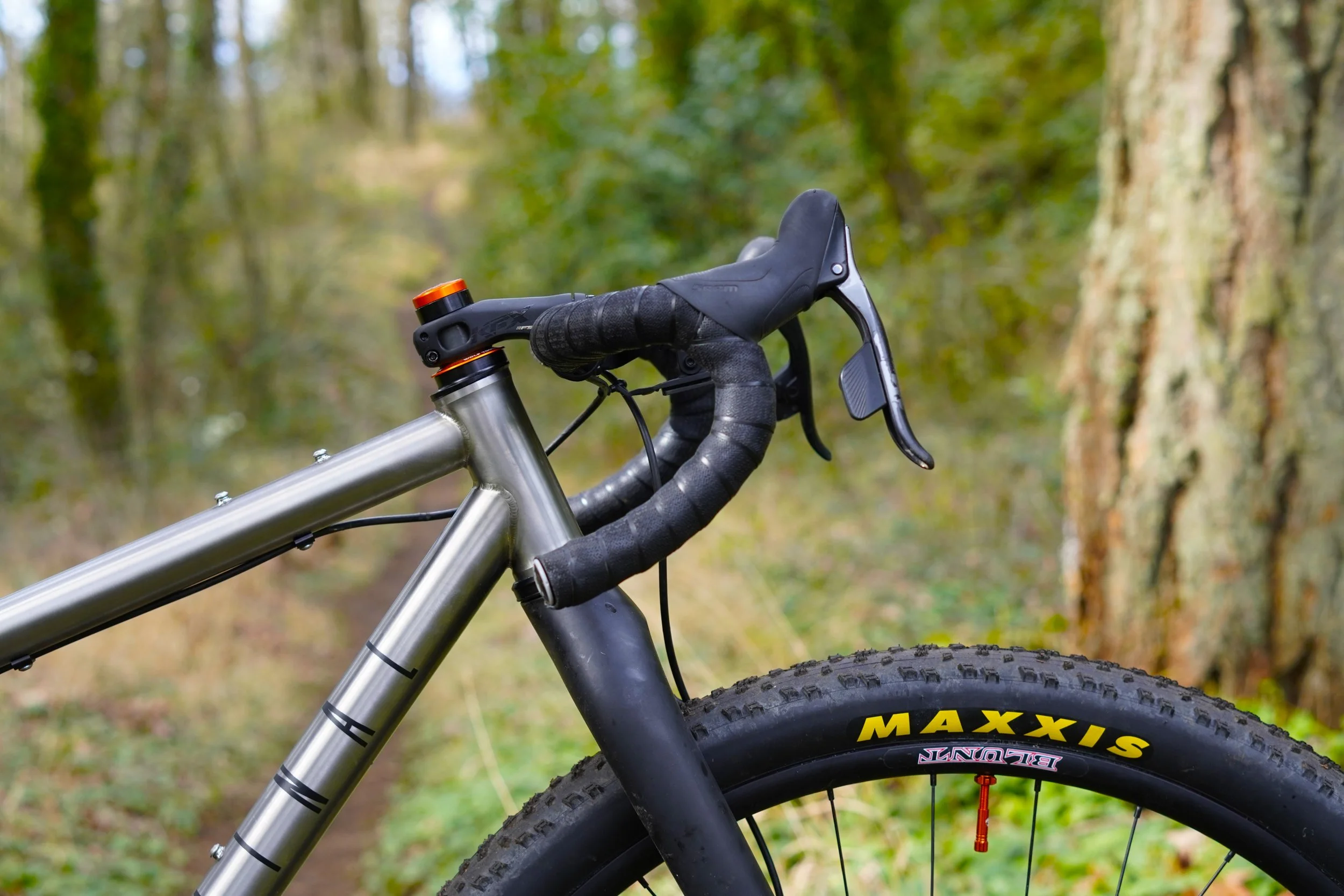
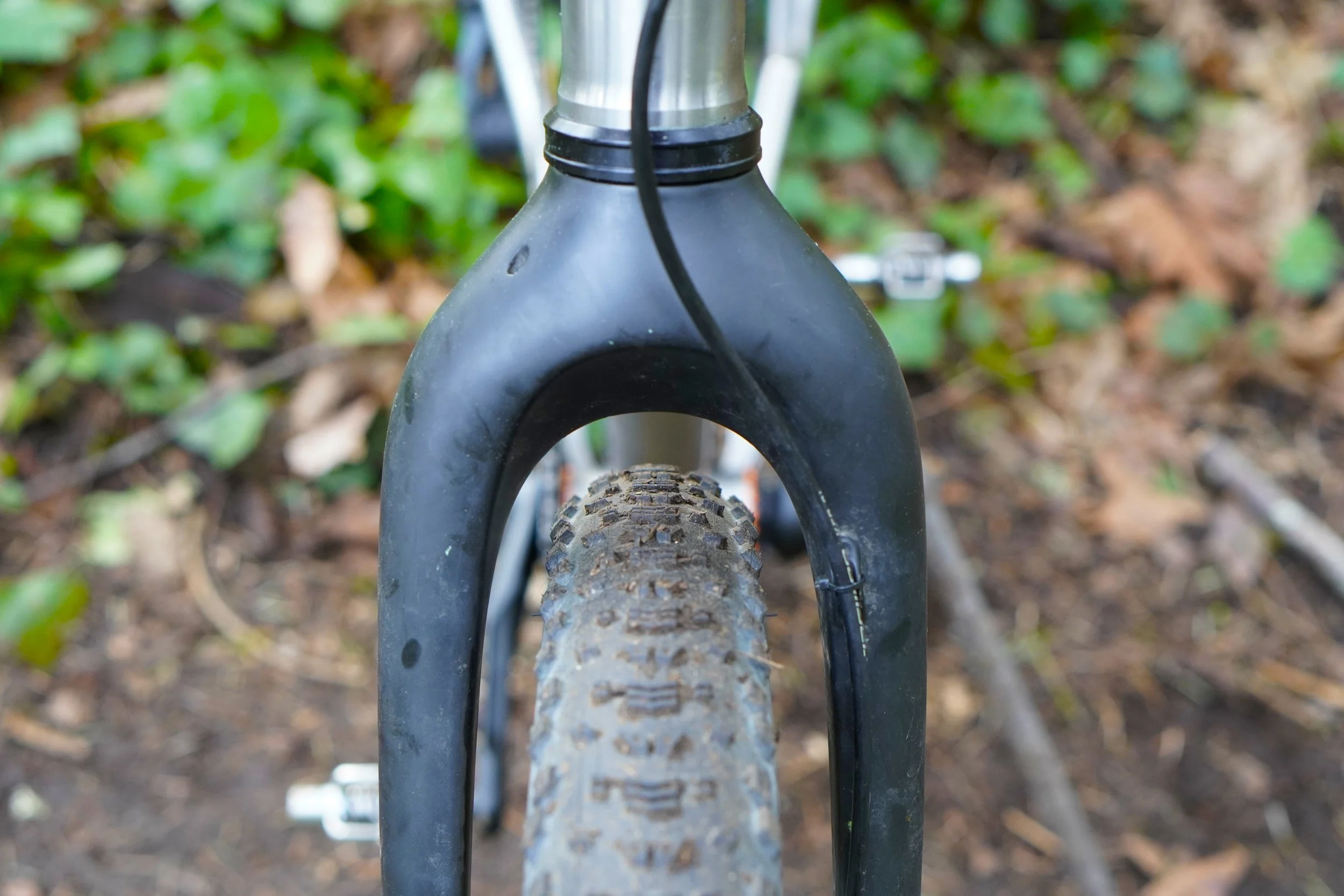
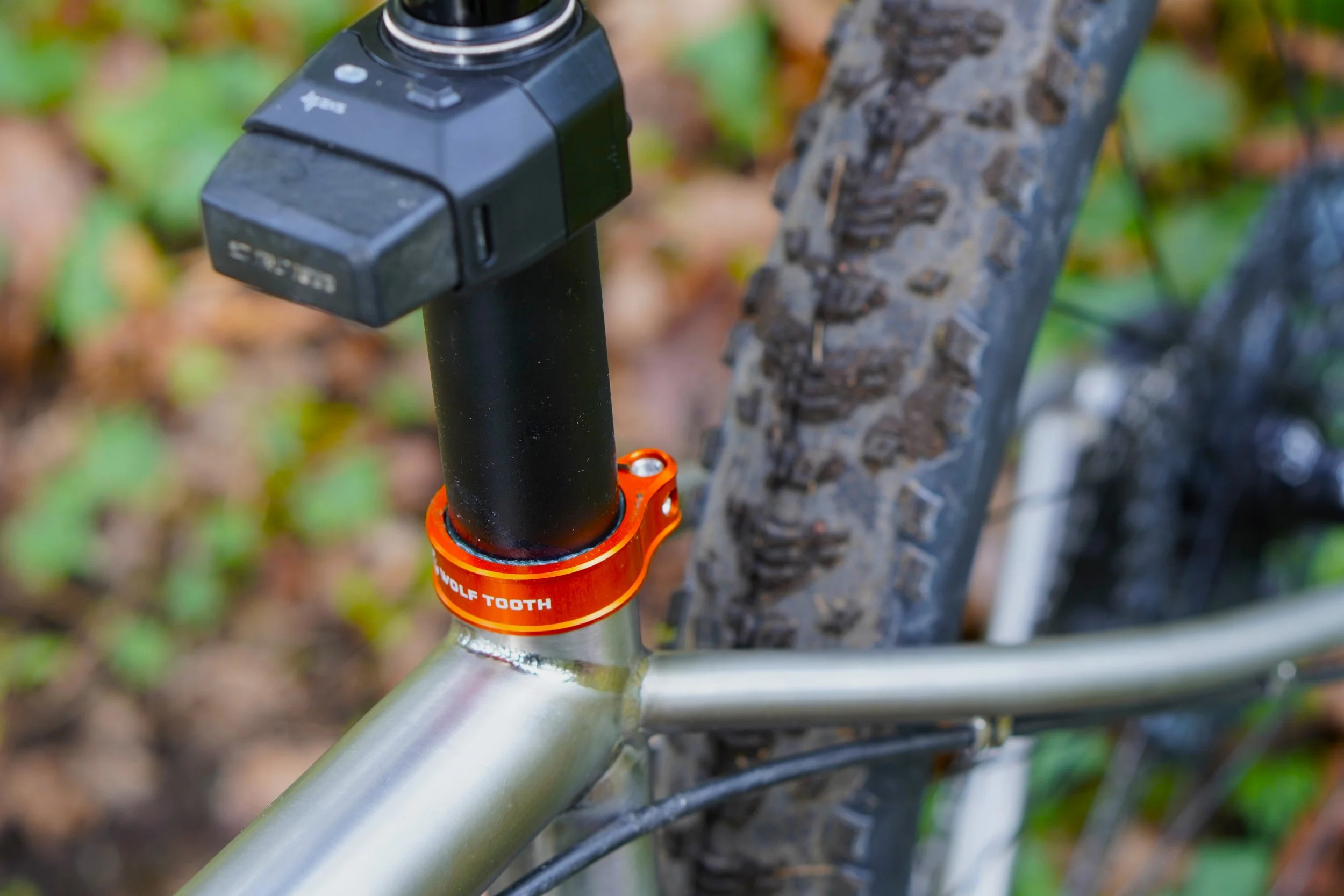
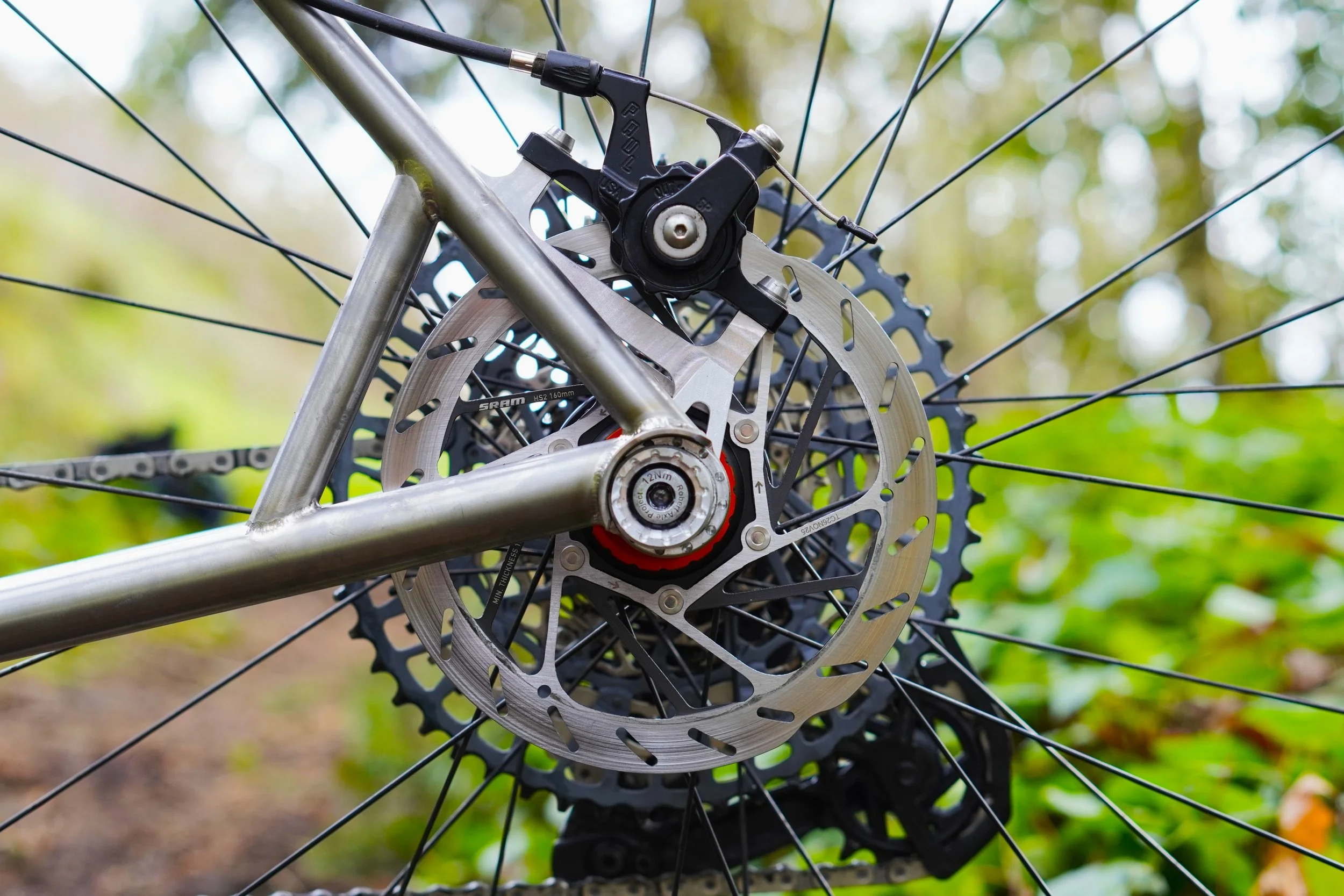
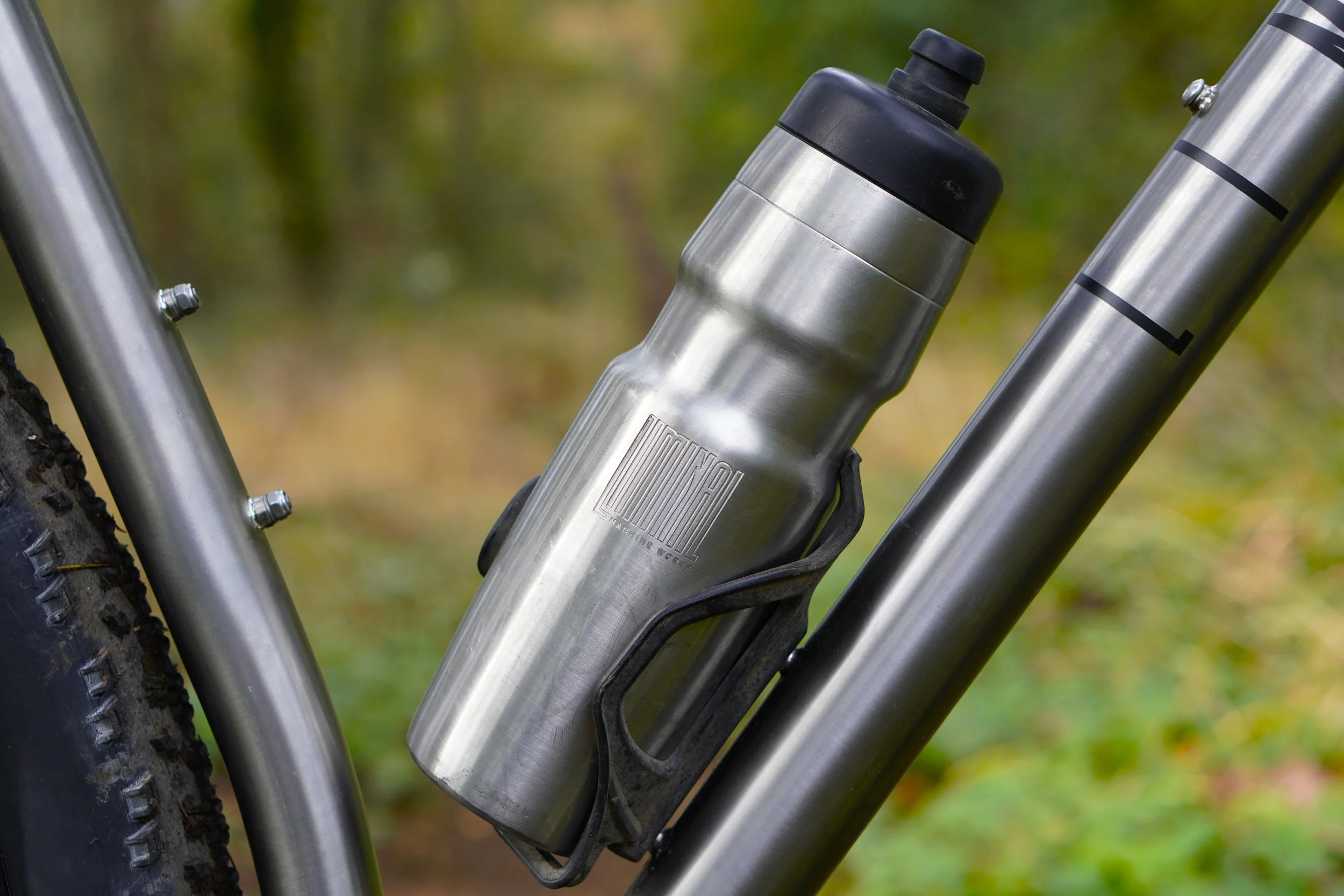
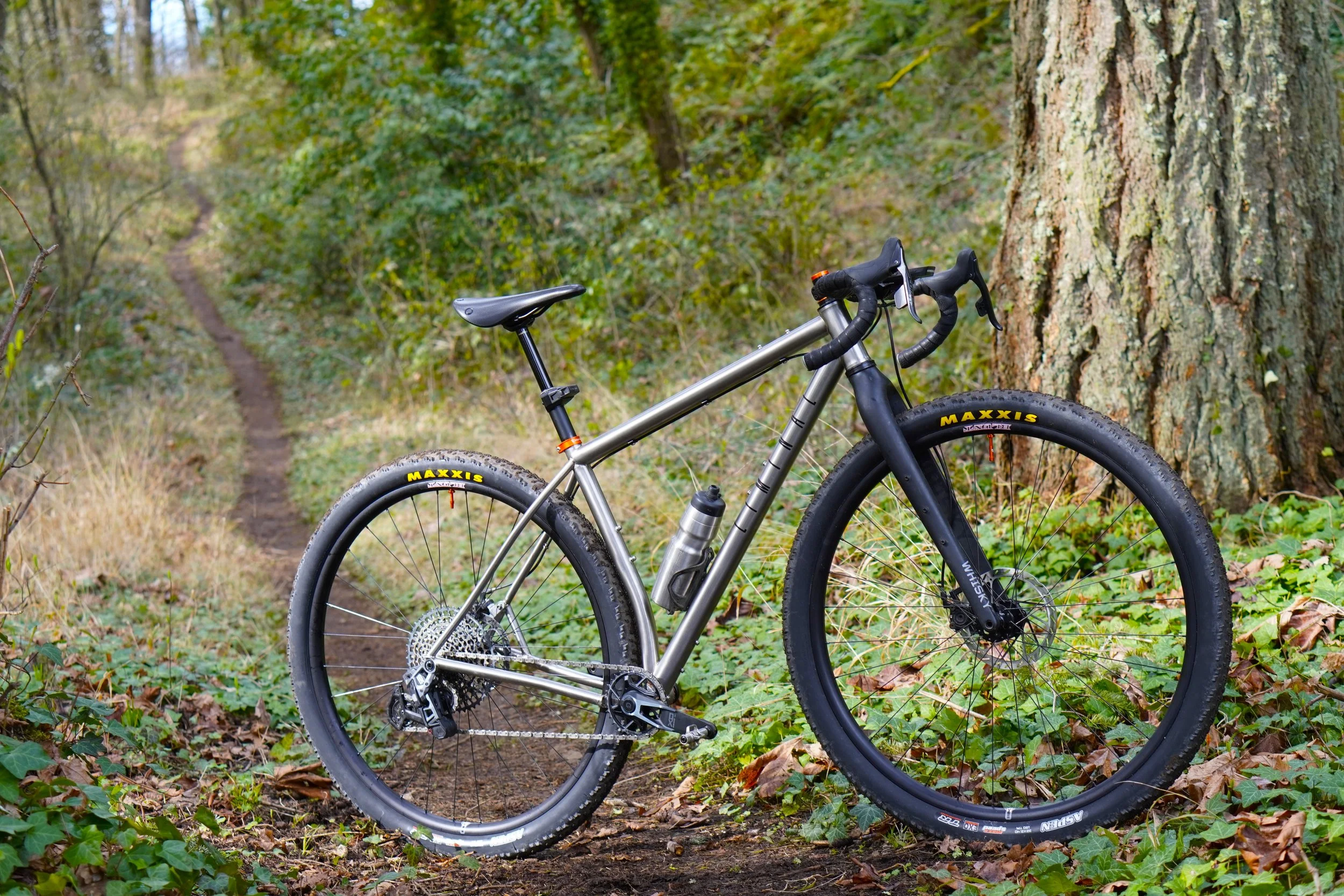
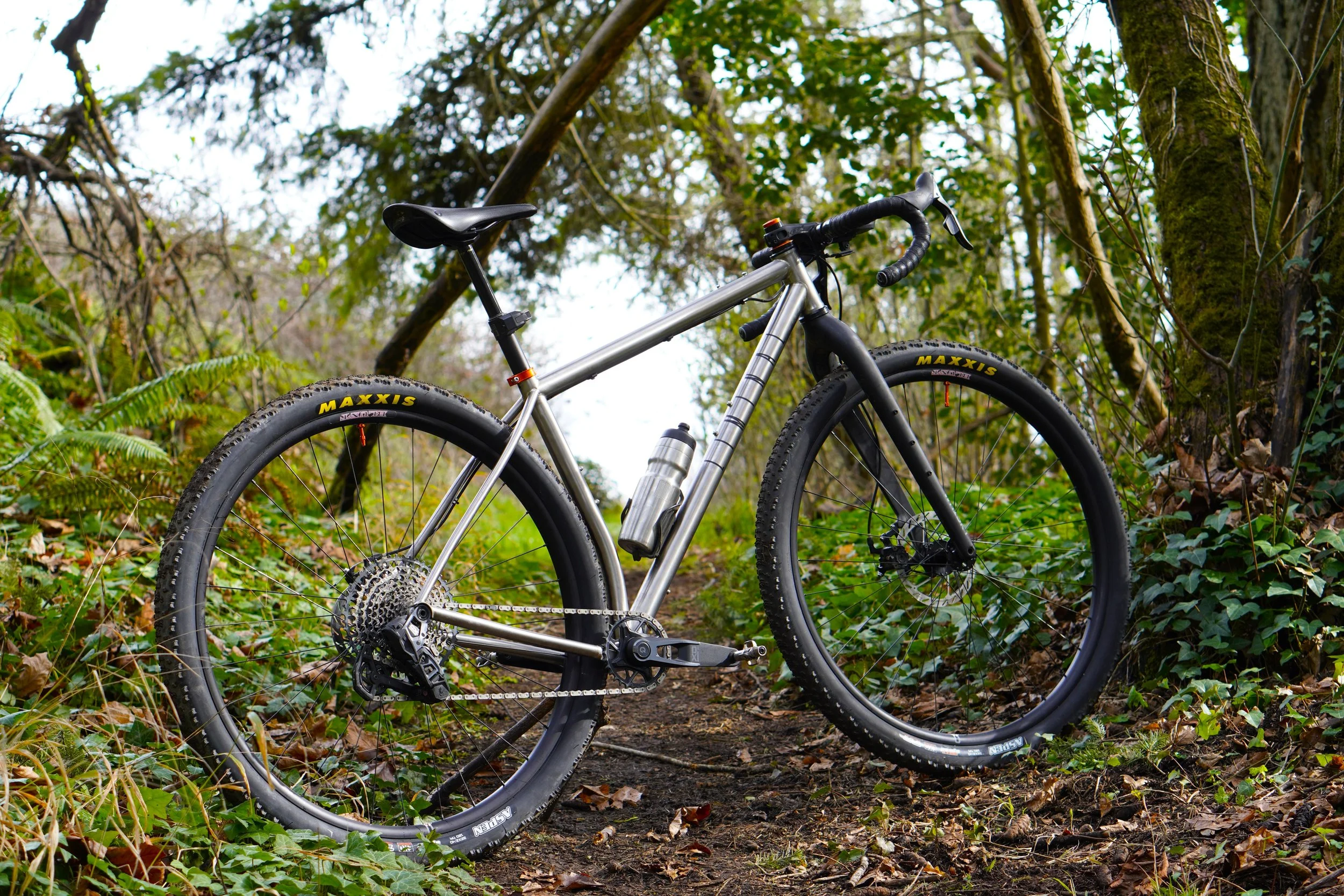
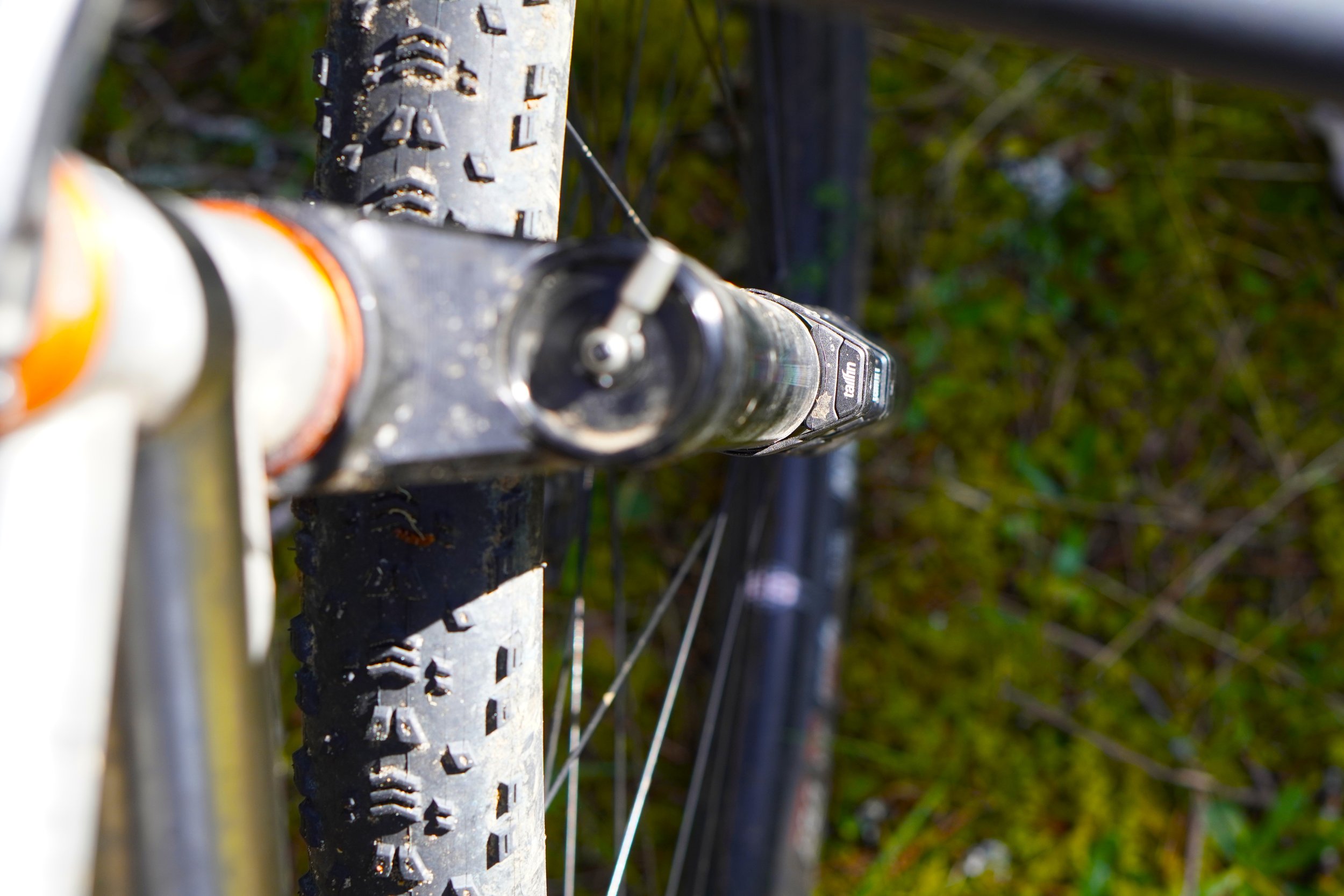
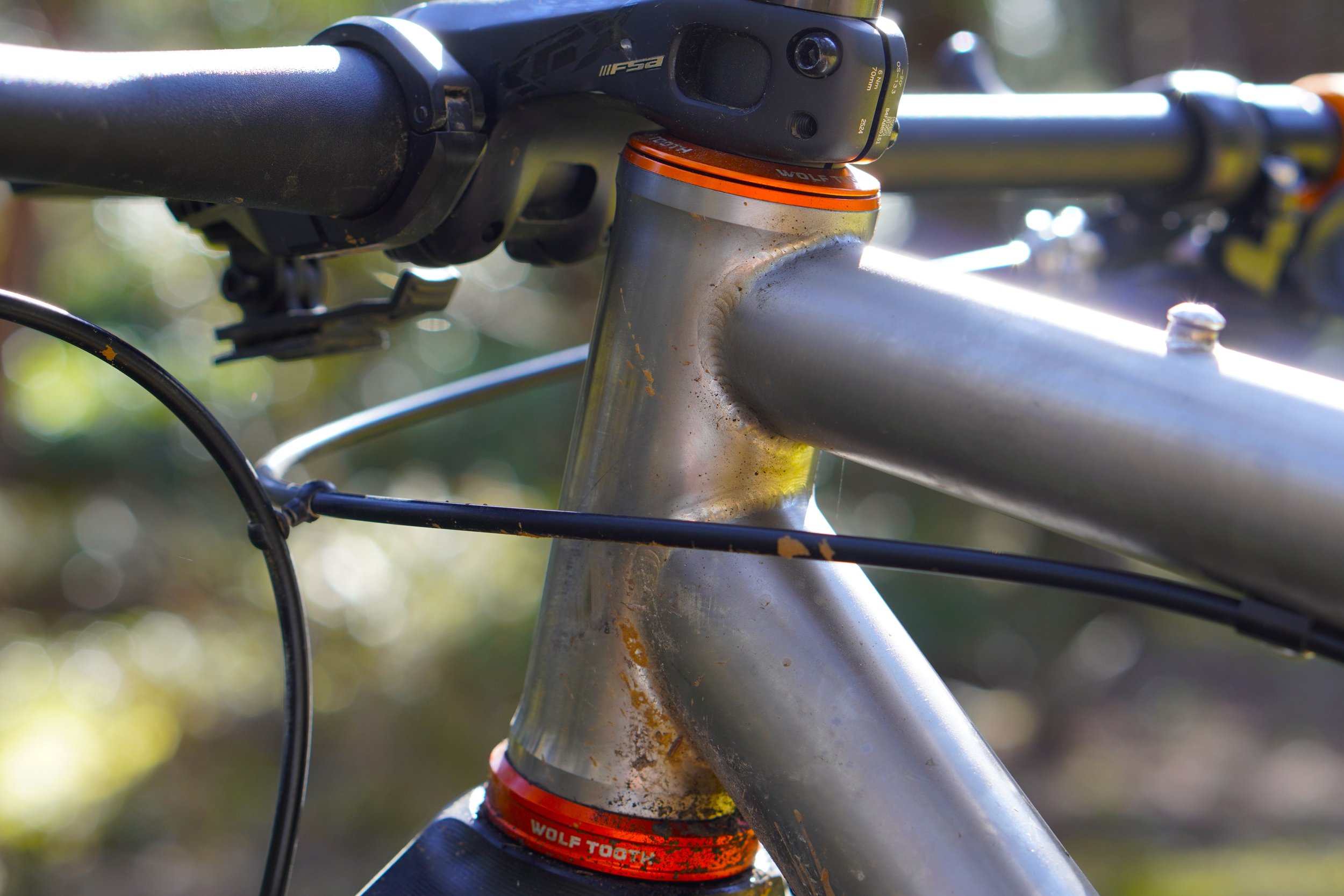
I initially set up the bike with drop bars to test 32’s performance on gravel. With a Wolf Tooth Components GeoShift headset I was able to steepen the head angle to get close to what I would consider optimal for gravel. A carbon fork provided plenty of clearance for the big front wheel.
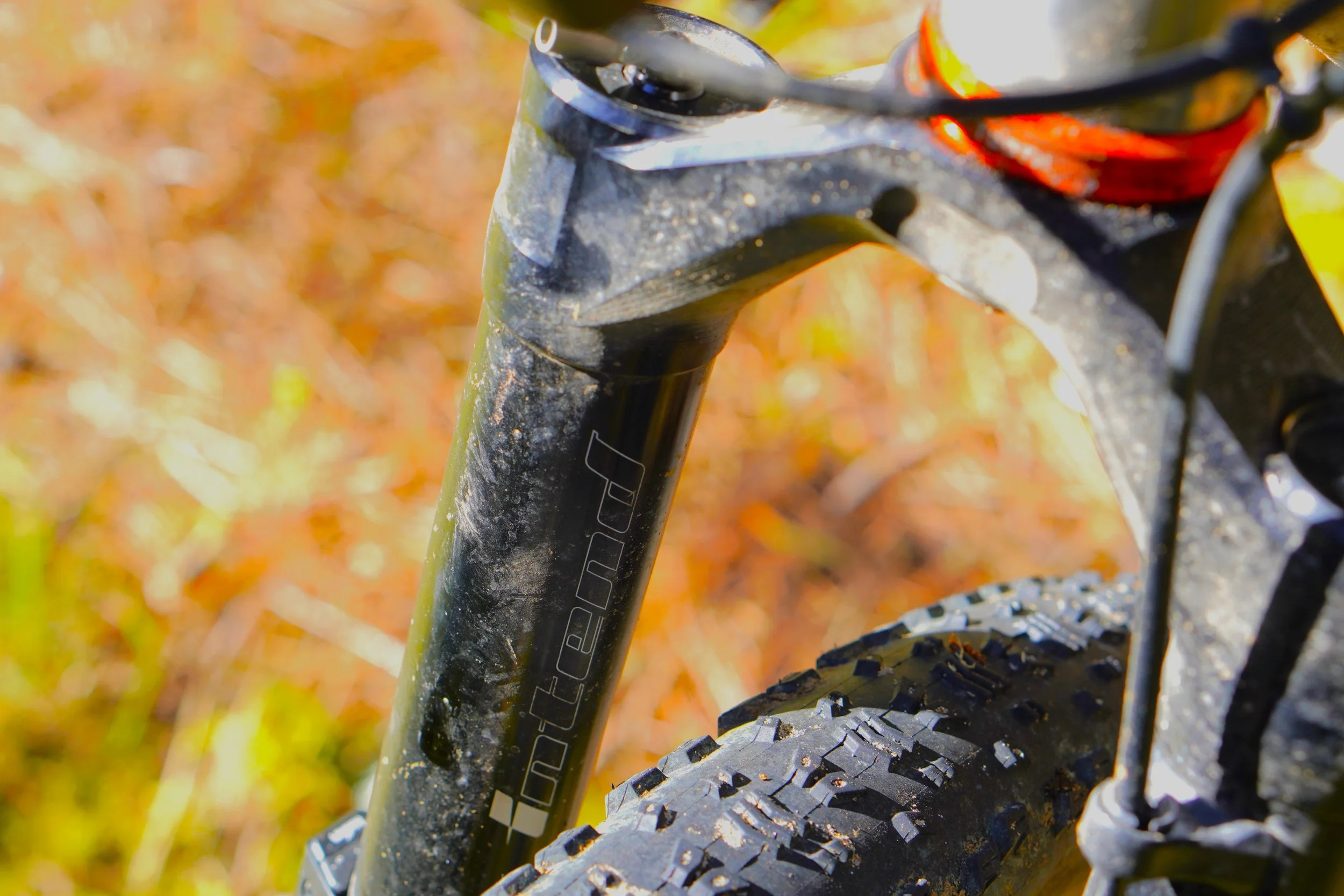
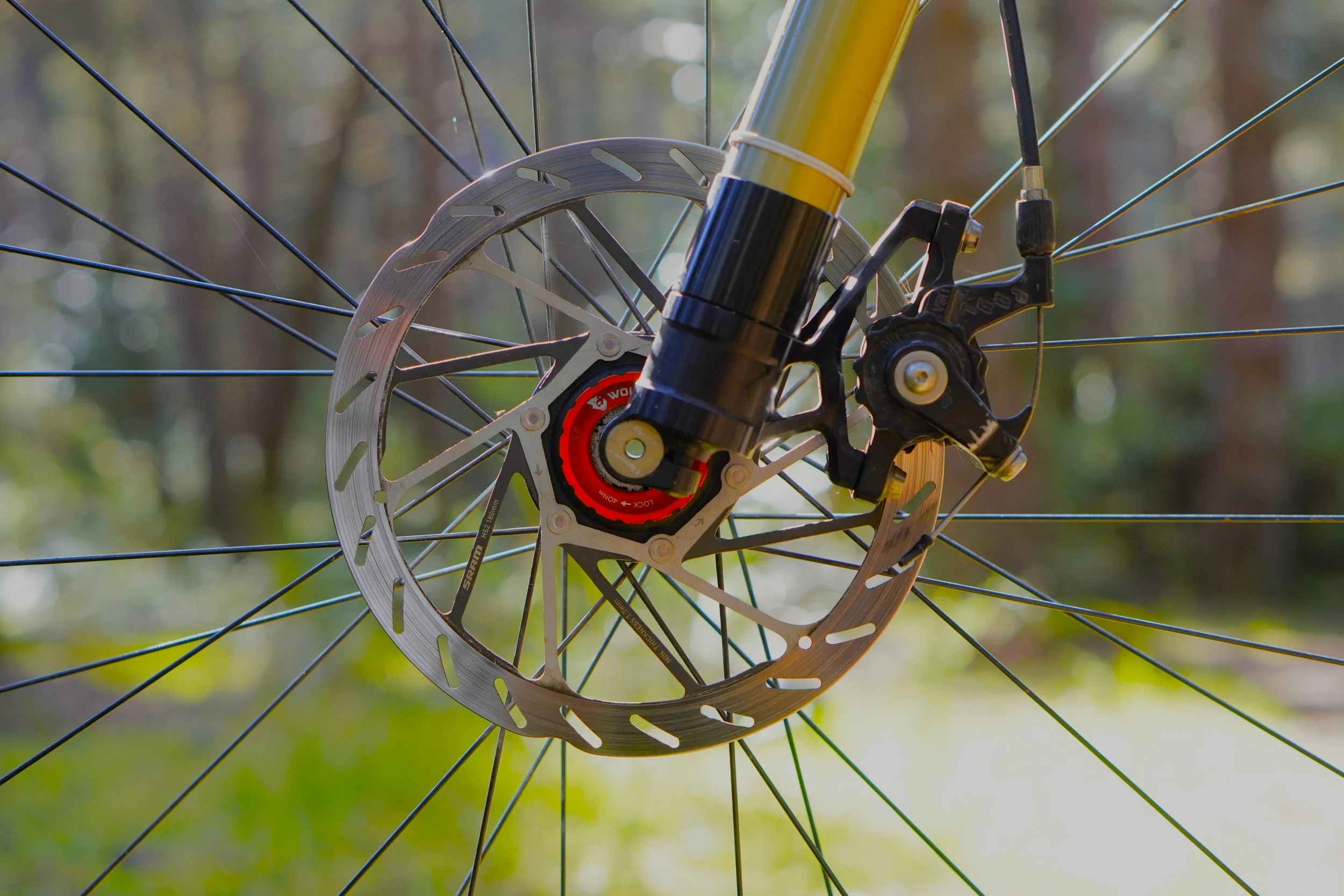
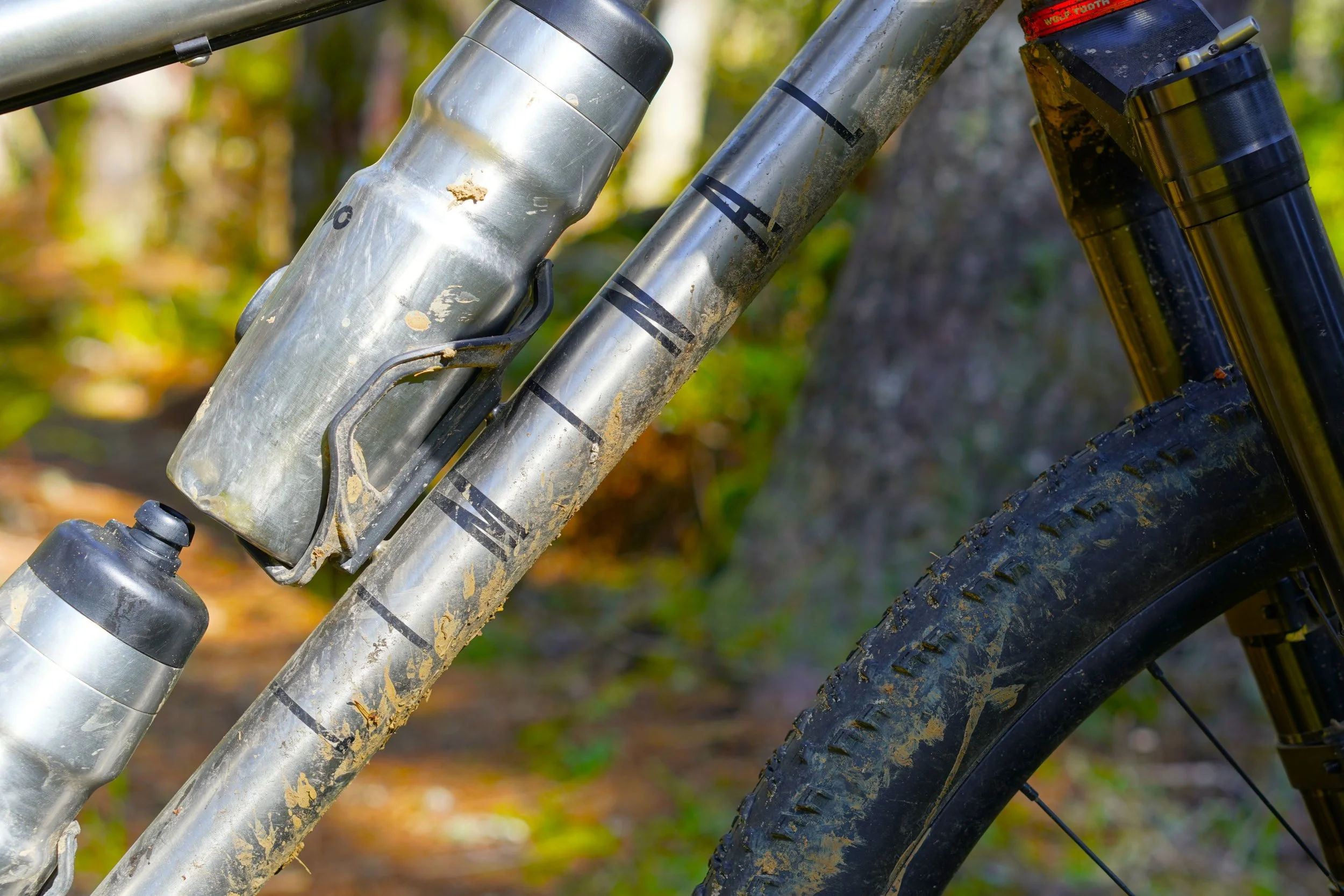
32 really shines on trail though, so when the Intend suspension fork arrived I quickly swapped over to the flat bars the frame was designed for. I’ve taken the bike on what trails are open this early in the season and the added confidence derived from extra grip and rollover has led to a lot of PR’s being set, even in less than ideal conditions.
I’m looking forward to experimenting with the bike more as the season progresses. Once I’ve got enough time in on the base geometry I plan to use that GeoShift headset to slack out the front end for more “modern“ handling. 100mm of travel has felt like plenty on the fork but it does go up to 130, which I plan to test as well. Stay tuned for the results.